Exploring Physical-Digital Experiences Through NFC

Some of the earliest Stellerworks projects revolved around a simple but surprisingly interesting idea:
What if physical objects could act as gateways to digital experiences?
At the time, NFC technology felt strangely underutilised.
Most people associated it with contactless payments, but very few businesses were exploring how physical products themselves could become interactive touchpoints for communication, storytelling, marketing, or engagement.
That curiosity led to a series of early experiments focused around NFC-enabled products and interactive branded objects.
Small projects at first.
Simple products.
But ideas that ended up shaping a lot of our thinking around physical-digital interaction.
The NFC Keyrings
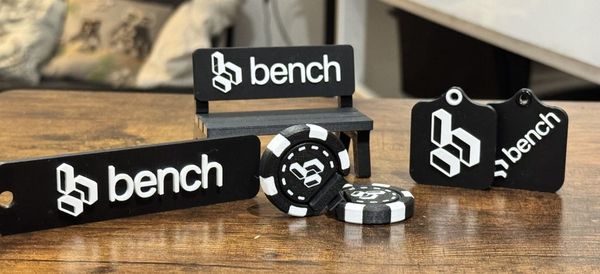
One of the first concepts we explored was the idea of NFC-enabled branded keyrings.
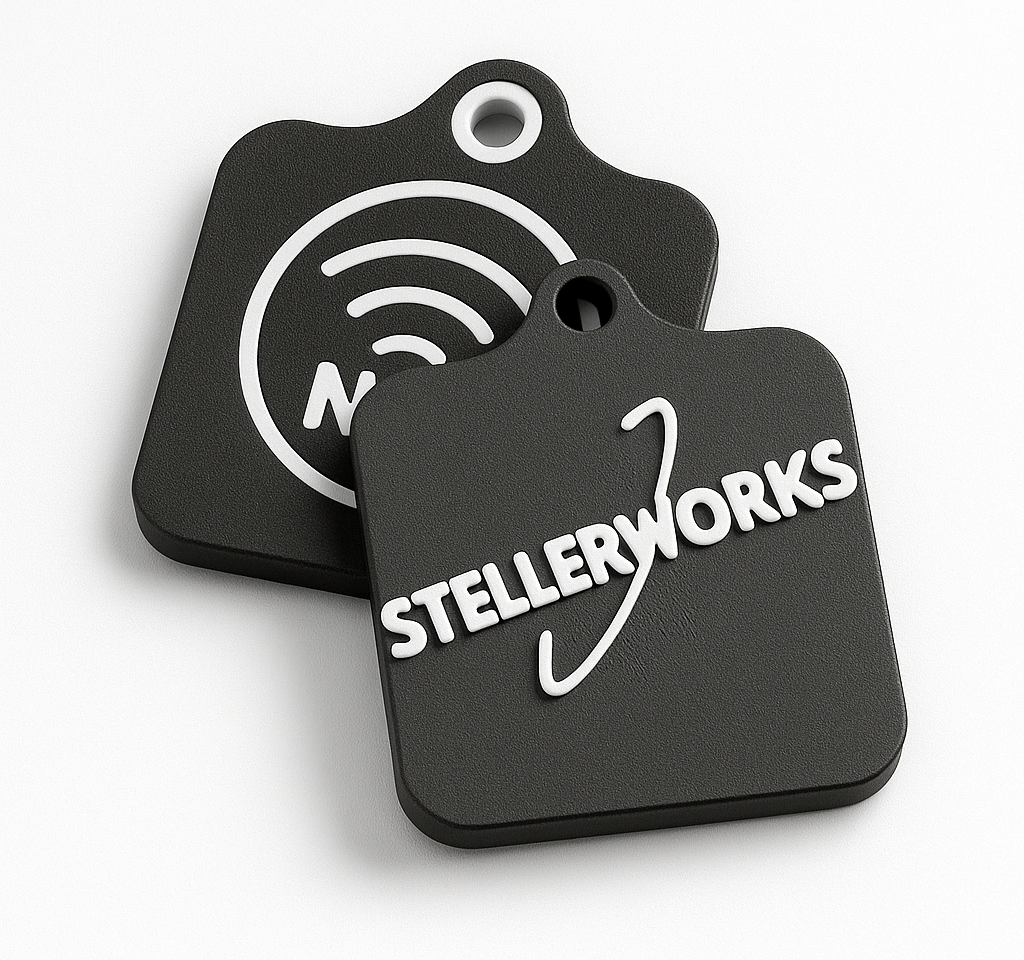
On the surface, they were straightforward products:
Custom-designed physical keyrings embedded with NFC chips that could instantly direct users toward digital destinations with a single tap.
But what interested us wasn’t really the technology itself.
It was the interaction.
The idea that a physical object could instantly bridge someone into a digital experience without needing QR codes, apps, or complicated onboarding.
Just:
tap → connect.
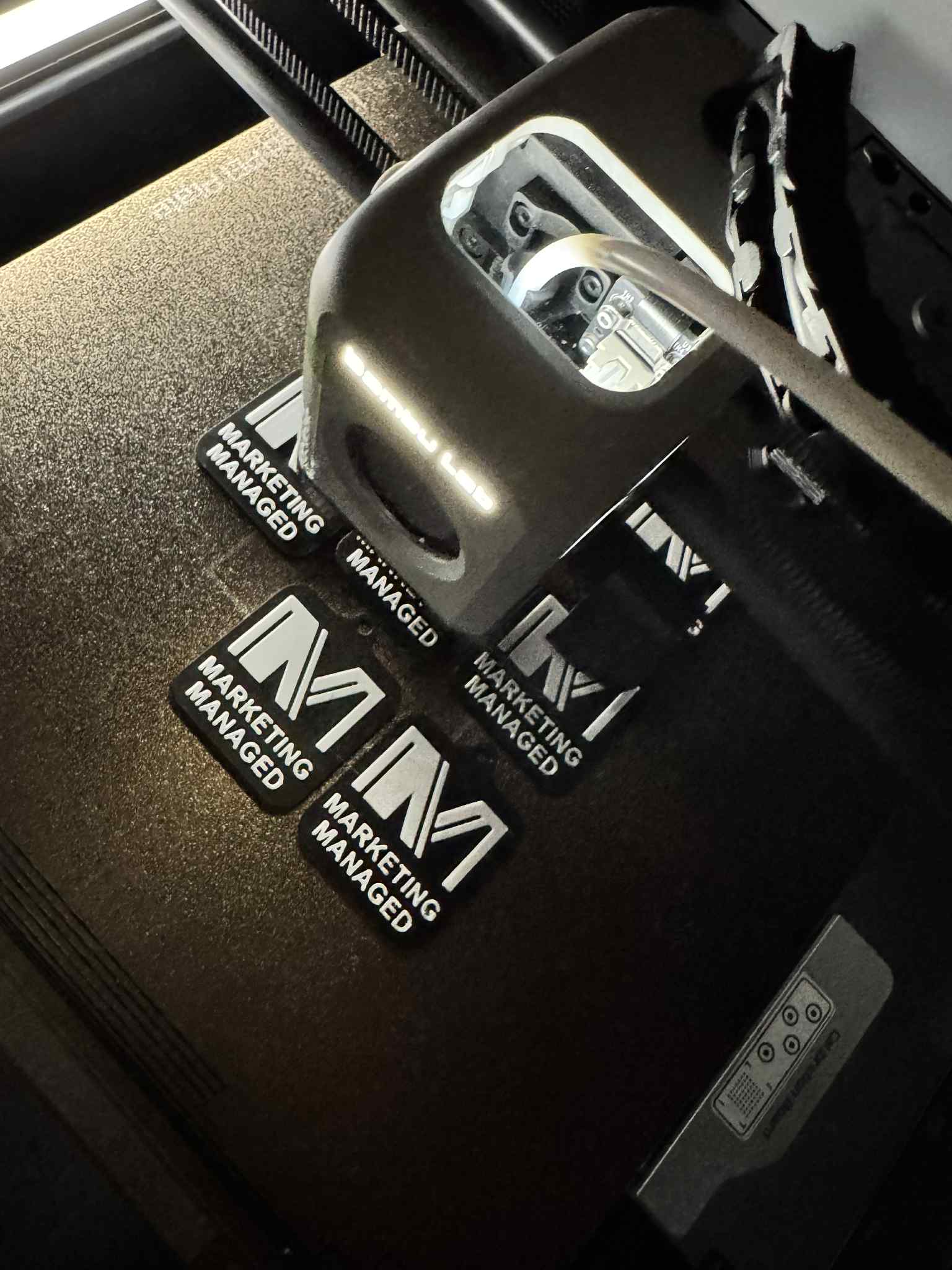
The keyrings were used across a range of different projects and industries.
Some acted as smart business cards.
Some linked directly to websites or digital portfolios.
Others explored operational use cases, such as workflow systems.
One example involved NFC-enabled fleet keyrings for a catering company, where the tags initially linked to digital company information but also opened up opportunities around maintenance logs, checklists, and operational tracking.
Other projects explored NFC engagement within exhibition environments — creating physical branded objects that could direct visitors toward digital content, product information, or interactive experiences with a simple tap.
What started as small experiments quickly became something more interesting:
An exploration into how physical products could carry digital functionality in a way that felt intuitive and natural.
The Brand Beacon
As those ideas evolved, we began experimenting with larger and more visually engaging formats.
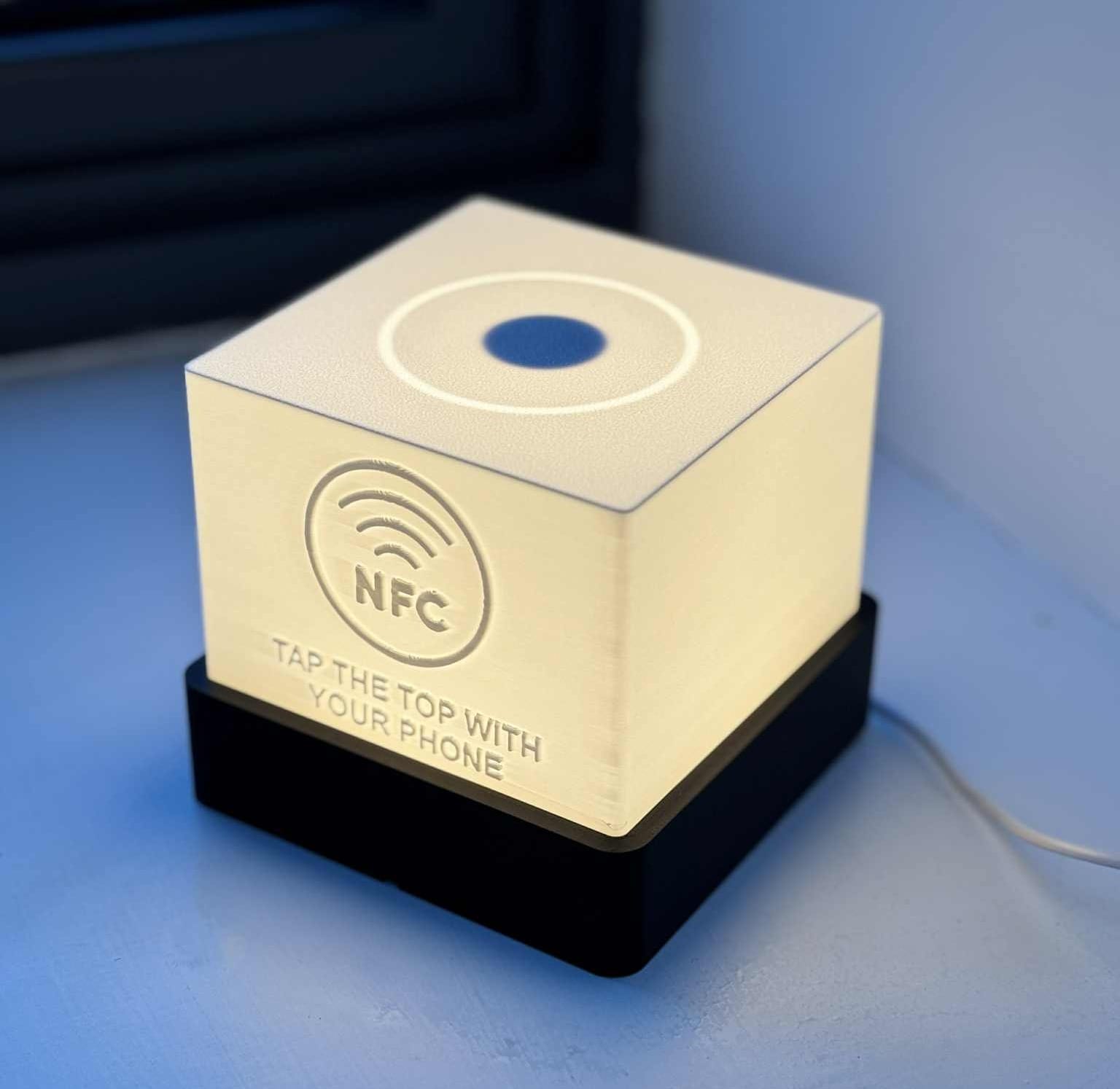
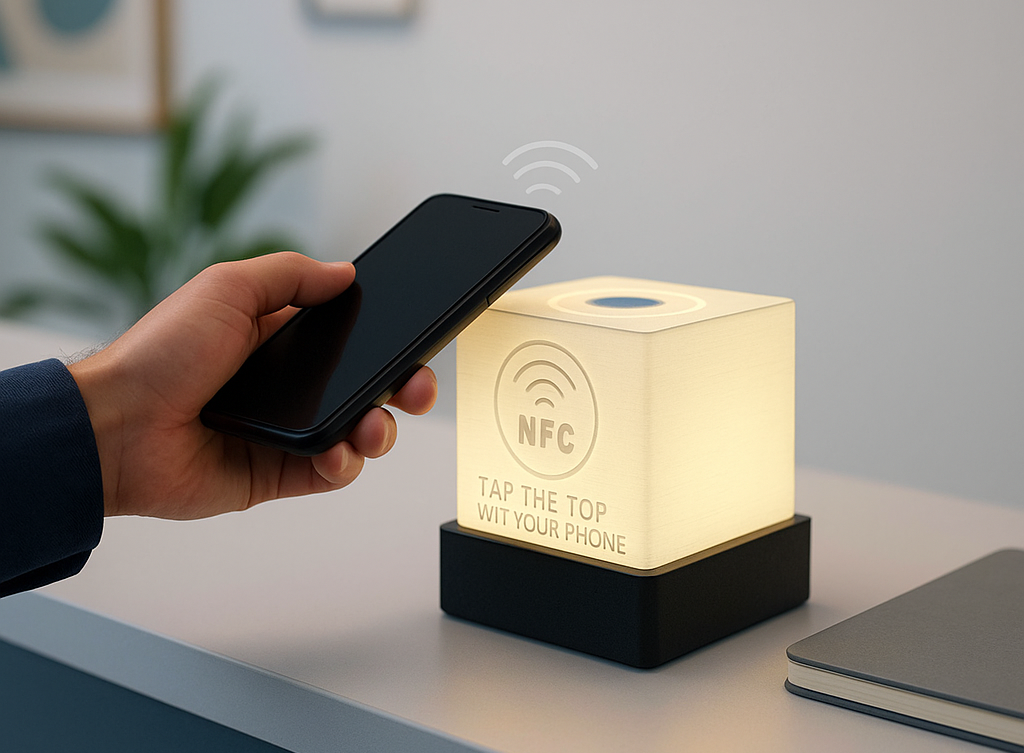
That eventually led to the development of the “Brand Beacon” concept.
The idea was to create an illuminated branded display piece with embedded NFC functionality — something that could sit on a reception desk, exhibition booth, meeting table, or showroom space and immediately attract attention.
Part display object.
Part digital gateway.
Part conversation starter.
The interaction remained intentionally simple:
See → Tap → Engage.
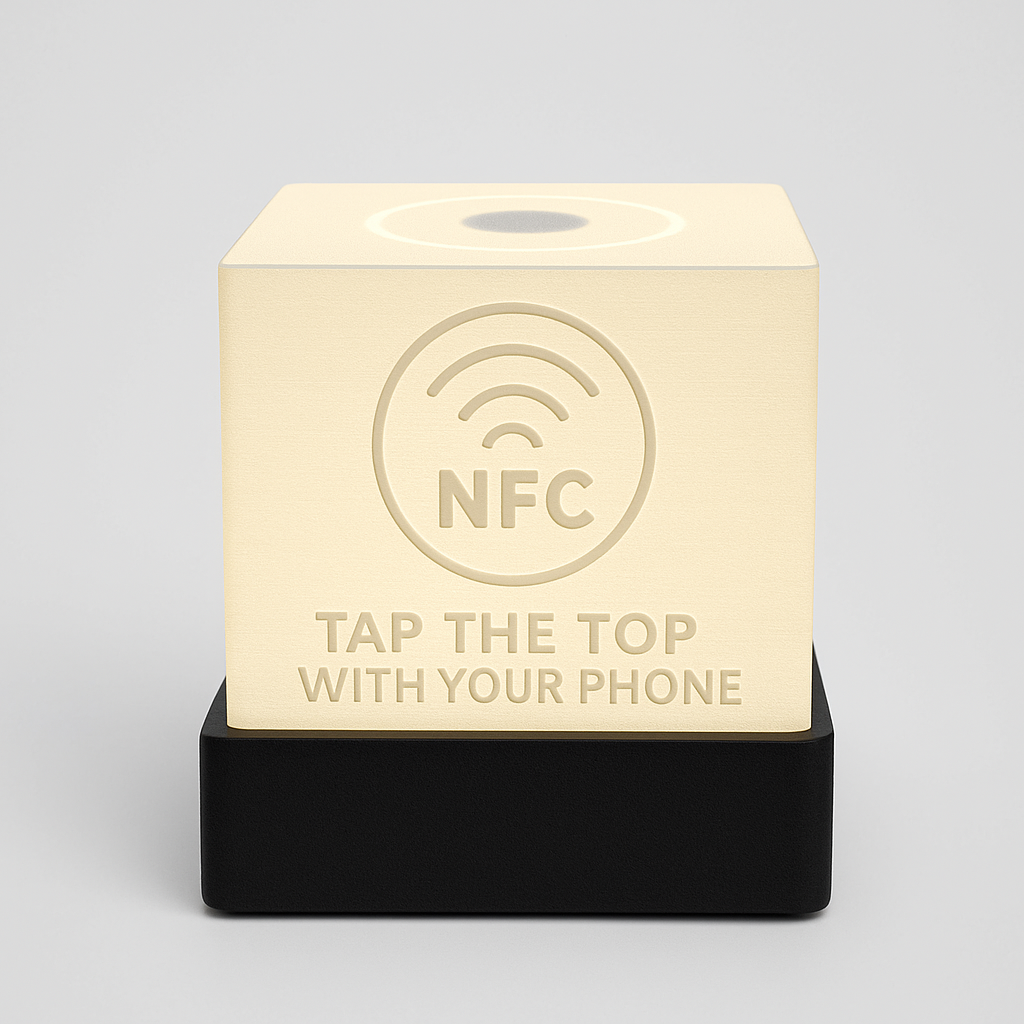
Rather than relying on printed materials or static displays, the Brand Beacon was designed to create a direct bridge between a physical environment and digital information.
A single tap could direct someone toward:
- product information
- company introductions
- lead capture pages
- booking systems
- interactive content
- portfolios
- videos
- contact information
Looking back now, what’s interesting is that the Brand Beacon was never really about NFC technology alone.
It was an exploration into how physical objects themselves could become interfaces.
Not just products to look at, but objects that actively connect people to information, systems, stories, and experiences.
Looking Back
At the time, these projects felt relatively small.
But in hindsight, many of the ideas explored through the NFC keyrings and Brand Beacon still connect closely to the wider direction of Stellerworks today.
Interactive exhibition pieces.
Branded engineering models.
Physical storytelling.
Embedded interaction.
Experimental product concepts.
They all share a similar thread:
Using physical products to create engagement in ways that purely digital experiences often struggle to replicate.
What’s changed since then is the technology surrounding those ideas.
AI-assisted workflows.
Additive manufacturing.
Rapid prototyping.
Computational design.
Embedded systems.
Digital fabrication.
The tools continue to evolve quickly.
But the underlying curiosity has stayed surprisingly consistent:
How can physical objects become more meaningful, interactive, and connected within an increasingly digital world?
Those early NFC projects were some of our first attempts at exploring that question.
And looking back now, they still represent an important part of how we think about interaction, engagement, and the relationship between physical products and digital experiences.