Starting Small, Thinking Long-Term
Starting a business is hard.
Honestly, I almost feel slightly unqualified to even say that, because we at Stellerworks are still so early in the journey ourselves. There are people and companies far ahead of us who have been building for decades.
But even in this short amount of time, we’ve already learned an enormous amount.
That’s probably been one of the biggest surprises so far — just how quickly you’re forced to learn when you begin trying to build something for real.
You very quickly realise that almost everything sounds simpler in theory than it feels in practice.
Products take longer.
Systems break.
Ideas evolve.
Plans change.
Things that seem promising fail completely.
And occasionally, something unexpectedly works.
That process can be frustrating at times, but it’s also become one of the things we genuinely enjoy most about building Stellerworks.
Testing ideas.
Figuring out what works and what doesn’t.
Taking those lessons forward.
Iterating.
Improving.
Not just improving products, but improving workflows, communication, systems, and the overall quality of the work we produce for both partners and customers.
A lot of modern business culture tends to focus heavily on polished outcomes — the finished brand, the successful launch, the final product.
What interests us more is the process underneath all of that.
The experimentation.
The uncertainty.
The gradual accumulation of skills, tools, and understanding over time.
That mindset is a huge part of why Stellerworks exists in the first place.
Both of us have always been naturally drawn toward engineering, systems, manufacturing, technology, and the idea of building things properly. Over time, through different industries and experiences, we kept seeing the same pattern emerge:
Modern tools are dramatically changing what small teams are capable of doing.
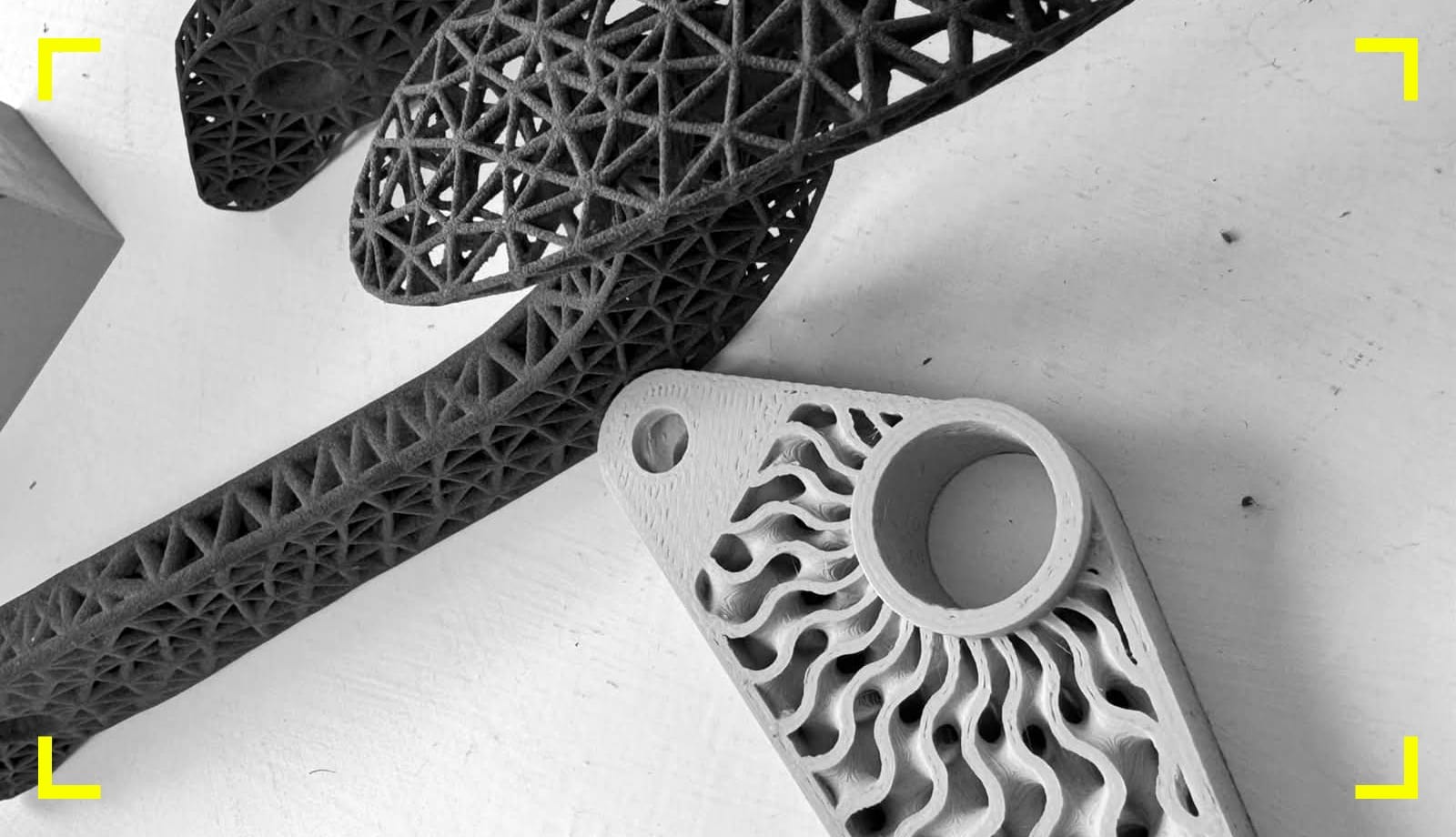
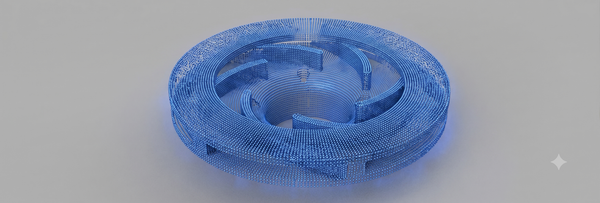
Additive manufacturing, computational workflows, AI-assisted systems, digital fabrication, rapid prototyping — these tools are beginning to blur the lines between design, engineering, manufacturing, software, and operations in a way that feels genuinely exciting.
Stellerworks became our way of exploring that shift directly.
Not just through theory, but through real-world projects, experiments, products, and continuous learning.
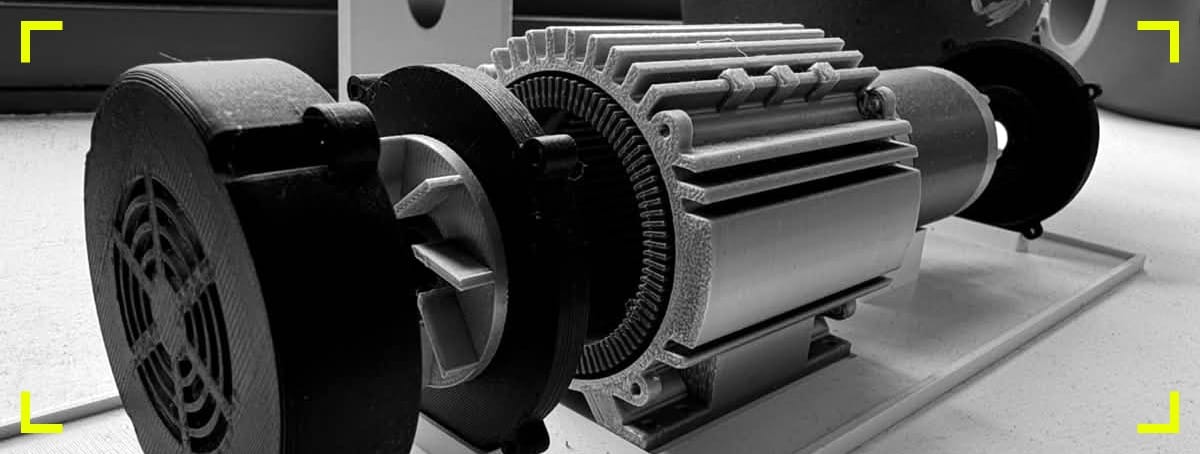
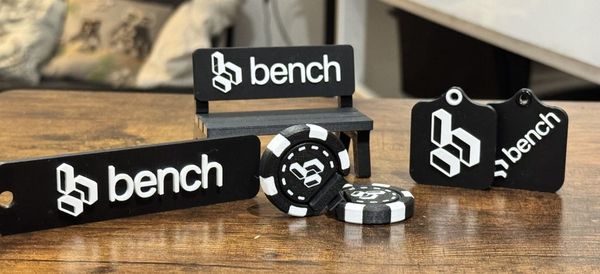
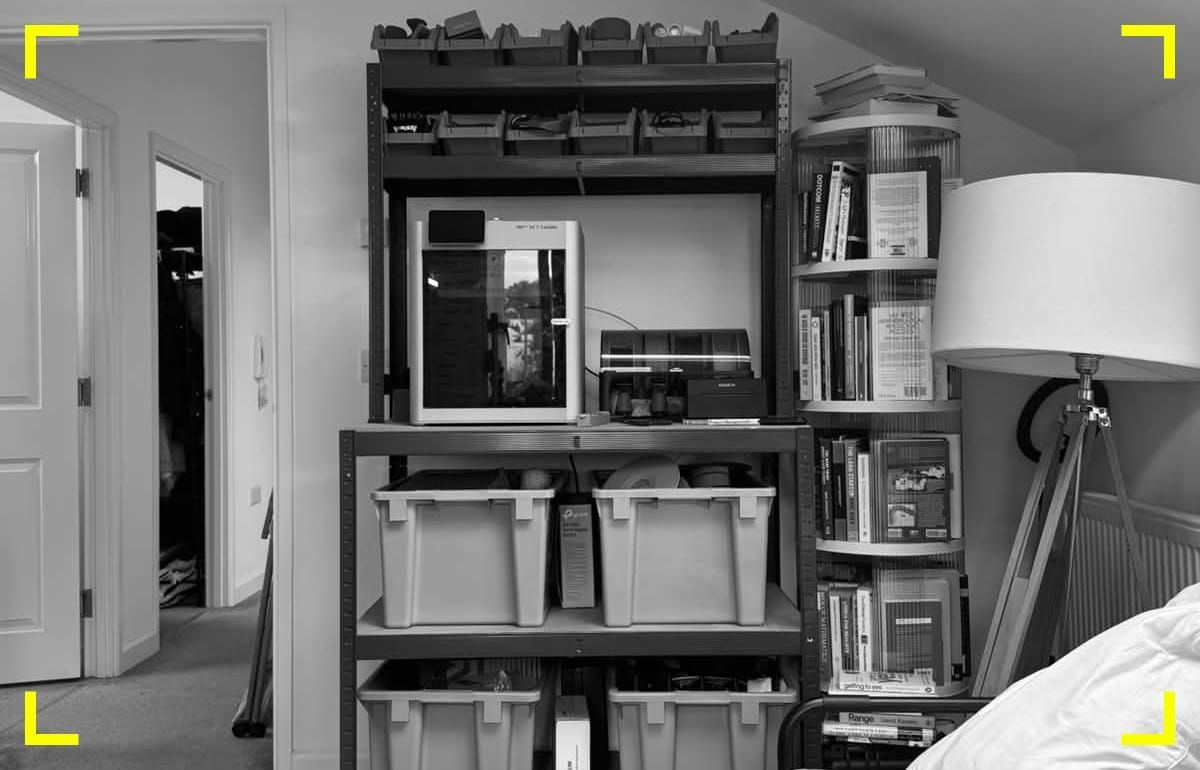
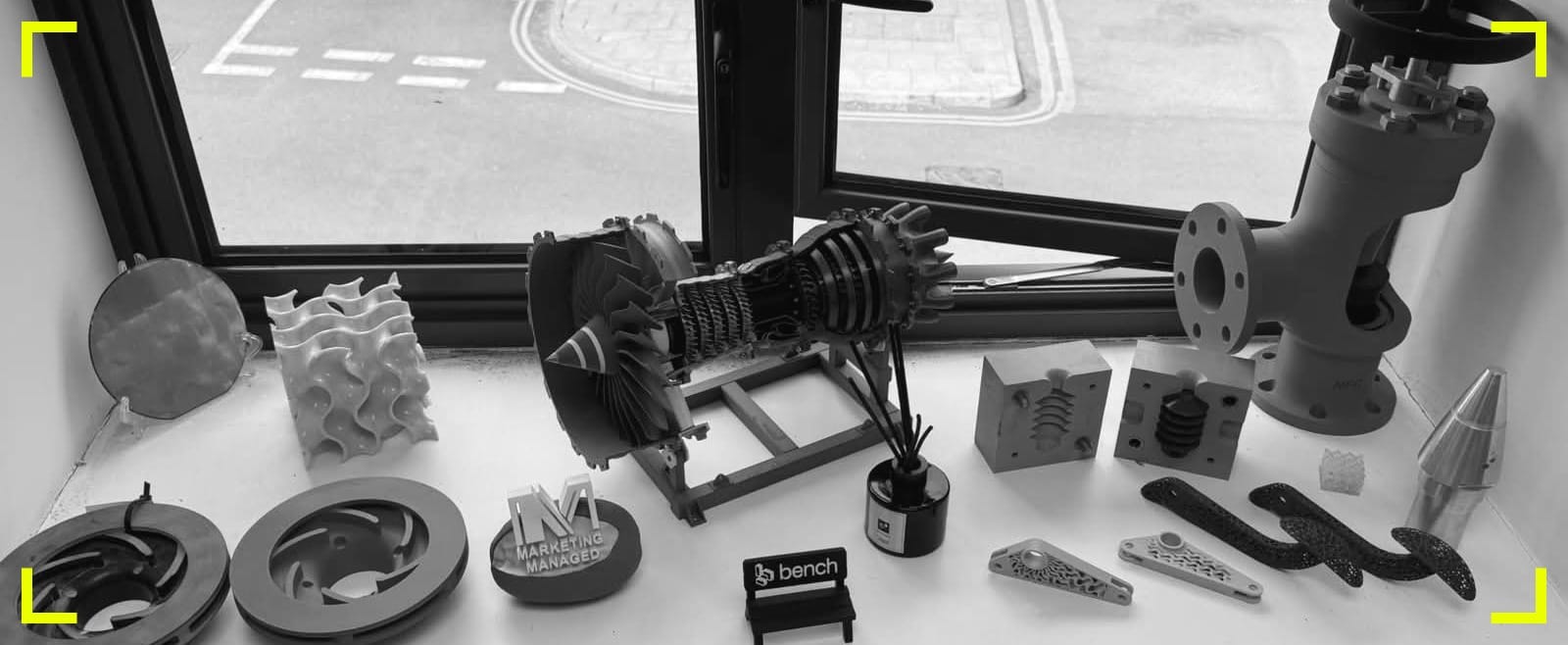
At the moment, that includes everything from reverse engineering and manufacturing support, to physical products, additive manufacturing workflows, desk objects, prototyping, and operational systems thinking.
Some ideas work immediately.
Some fail completely.
Most evolve several times before becoming useful.
But that’s part of the process.
We’re still early.
Still learning.
Still building.
And honestly, we hope this website reflects that.
Rather than presenting ourselves as a finished company with everything figured out, we’d much rather document the process openly as the studio develops — the projects, lessons, experiments, failures, improvements, and ideas that shape where this eventually goes.
Because in many ways, Stellerworks itself is still an ongoing prototype.
Starting small.
Thinking long-term.
Mataeo